


Dry wipes are becoming increasingly popular because of their versatility, soft texture, and convenience. While they are excellent for personal care, general household tasks, and light cleaning, many people wonder whether they are suitable for kitchen use. The short answer: dry wipes can help in the kitchen—but they are not meant to replace true kitchen cleaning tools. In fact, using them more effectively often means reusing them after skincare or daily use instead of making them your primary kitchen wipe.
Are They Safe and Hygienic for Kitchen Surfaces?
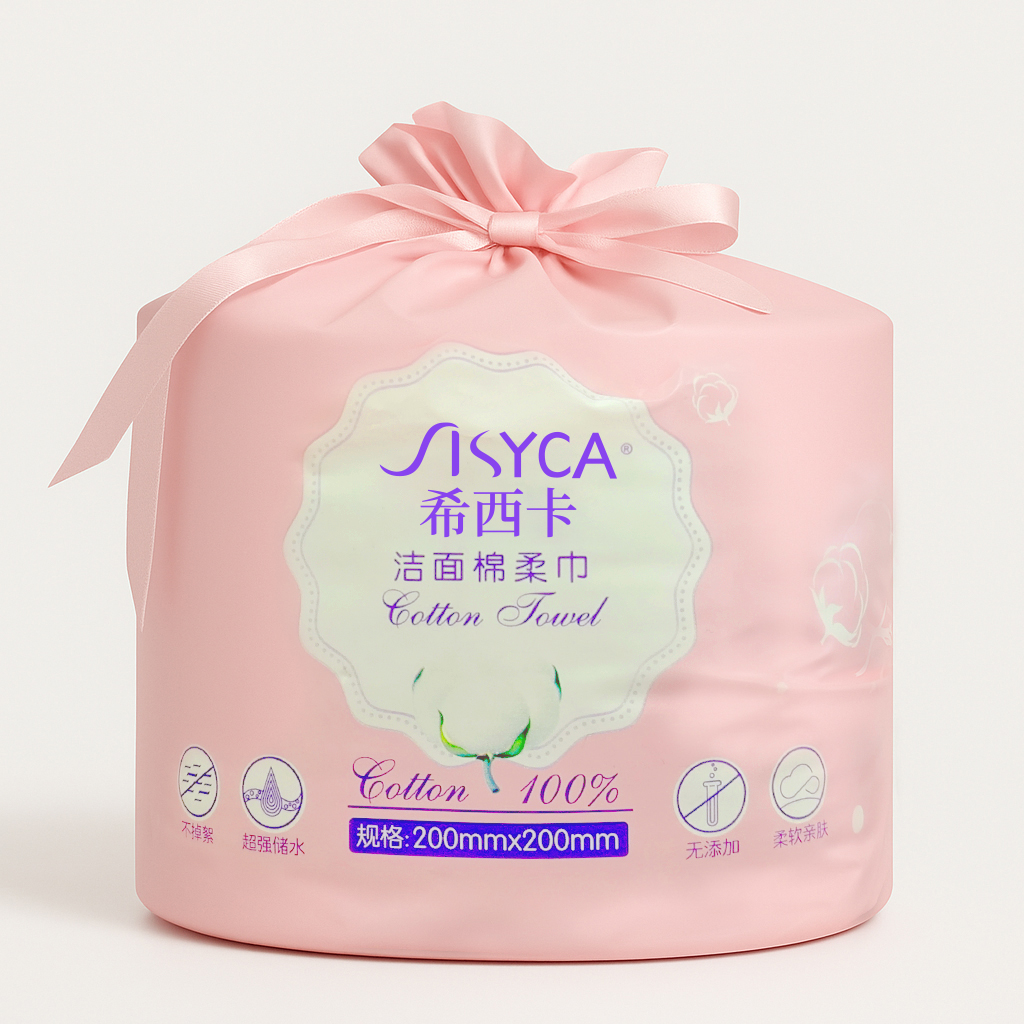
Dry wipes are typically made of nonwoven fabrics such as viscose, polyester, or a blend of both. These materials are soft, absorbent, and gentle on most surfaces, making them safe for kitchen countertops, stovetops, refrigerator handles, and more.
However, their safety and hygiene depend heavily on how they are used:
✔ Safe when used for light, non-greasy cleaning
Dry wipes can safely remove dust, crumbs, dry spills, and fingerprints. They work best for surfaces that do not have heavy grease, bacteria, or raw food contamination.
✔ Safe when reused after personal care—if still clean
If the wipe was used for simple skincare tasks such as drying the face, removing sweat, or applying toner, it is usually still clean enough for a secondary task like wiping kitchen surfaces.
✘ Not ideal for sanitizing purposes
Dry wipes contain no disinfectants. Unless you pair them with a kitchen-safe cleaning spray, they cannot eliminate bacteria from raw meat, cutting boards, or sinks.
✘ Not suitable when heavily soiled
Once a dry wipe becomes too wet, too dirty, or begins to break down, hygiene decreases significantly.
Conclusion: Safe for light tasks—not suitable for deep cleaning.
Dry Wipes are not Ideal for Primary Kitchen Cleaning
Although dry wipes offer great convenience, there are clear limitations when using them as your main kitchen cleaning product:
1. Insufficient grease removal
Kitchen messes often involve oil and sticky residues. Dry wipes lack the cleaning agents needed to dissolve grease, making traditional cloths, microfiber towels, and kitchen cleaners more effective.
2. Lower durability
Dry wipes are strong but not as durable as microfiber cloths or sponges. Heavy scrubbing can cause them to tear or lose fibers.
3. No antibacterial protection
Most kitchen cleaning requires sanitizing, especially after preparing raw food. Dry wipes alone cannot replace disinfectants.
4. Cost inefficiency
Using new dry wipes for all kitchen cleaning tasks wastes material and money—especially when they can be reused for other purposes first.
For these reasons, it is better not to use brand-new dry wipes directly in the kitchen.
Reuse Dry Wipes after Skincare or Daily Use
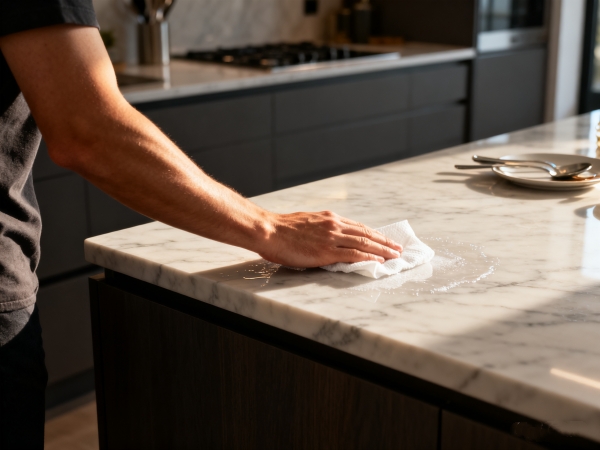
One of the biggest advantages of dry wipes is their multi-purpose reusability. After finishing gentle tasks such as:
- wiping your face
- applying toner
- drying hands
- cleaning small spills
- removing light dust
…the wipe is often still clean enough for a second life in the kitchen.
Best secondary kitchen uses include:
✔ Wiping dry surfaces
Countertops, dining tables, cabinet doors, and appliance surfaces.
✔ Removing crumbs and dry debris
Perfect after cooking or baking.
✔ Light cleaning before deeper cleaning
You can remove loose dirt with a dry wipe, then follow up with a real kitchen cleaner.
✔ Absorbing small spills
Their absorbency makes them handy for minor spills on the counter.
✔ Wiping containers, bottles, or seasoning jars
Useful for cleaning dust or fingerprints on spice containers, oil bottles, and refrigerator shelves.
This approach helps you save resources, reduce waste, and get more value out of each wipe.
When You Should not Use Dry Wipes in the Kitchen
Even though dry wipes are handy, there are safety cases where they should not be used:
✘ Not for raw meat contamination
Raw chicken, fish, or meat surfaces require disinfecting—not dry wiping.
✘ Not for greasy stovetops
Grease needs detergent or degreasing formulas.
✘ Not for mold, bacteria, or sticky residues
Dry wipes will smear rather than clean.
✘ Not for dishwashing or scrubbing cookware
They break down quickly when used with water and friction.
✘ Not when the wipe is already too dirty
If reused wipes become visibly stained or damp, they should be disposed of immediately.
This ensures hygiene and prevents cross-contamination in the kitchen.
Tips to Make Dry Wipes Last Longer
With the right habits, dry wipes can become an economical and eco-friendly part of your routine.
1. Use them for light tasks first
Start with skincare, baby care, or dusting—reserve the second use for the kitchen.
2. Allow them to air-dry before reuse
A dry wipe lasts longer and resists bacterial growth when kept dry.
3. Cut them into smaller pieces
If the wipe is large, use half for skincare and save the other half for kitchen tasks.
4. Pair with cleaning sprays when needed
A mild multi-surface cleaner boosts cleaning power while still saving the wipe.
5. Choose high-quality nonwoven wipes
Thicker, tighter-fiber wipes hold up better through multiple uses.
Finally,
If you have any requests, please feel free to Contact Us! We're a professional supplier to make dry wipes, choose E-Way!


